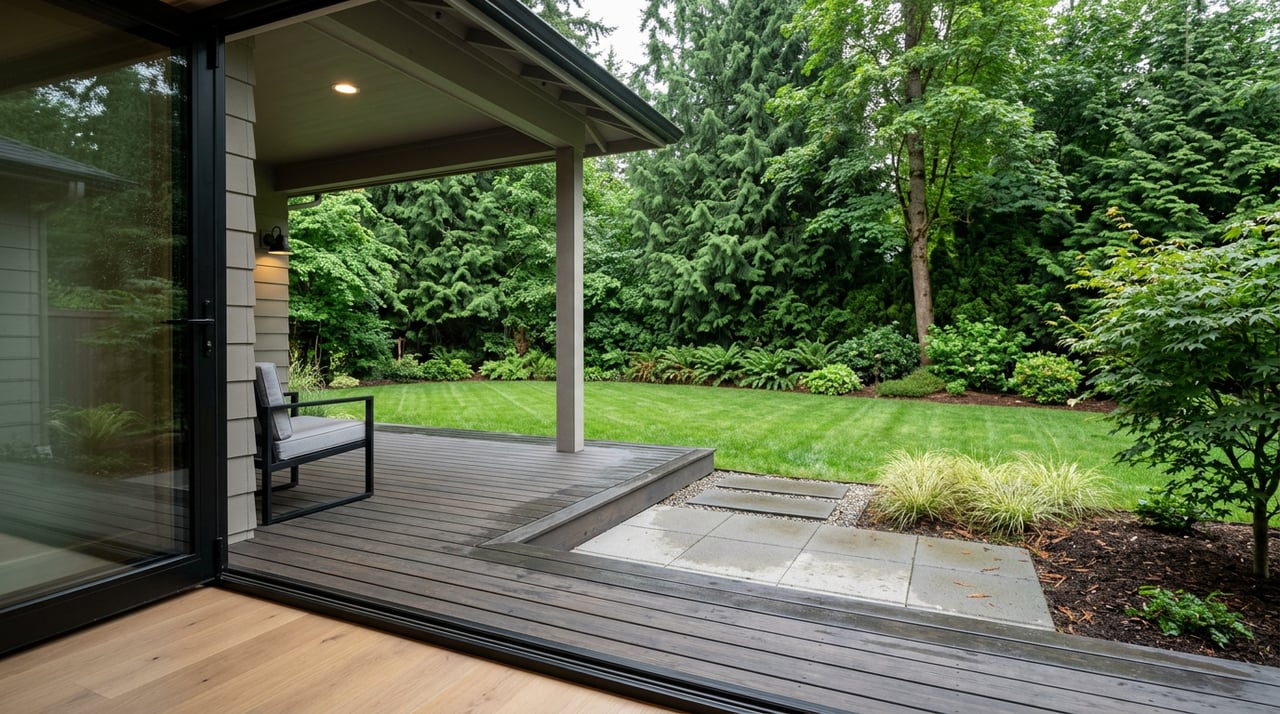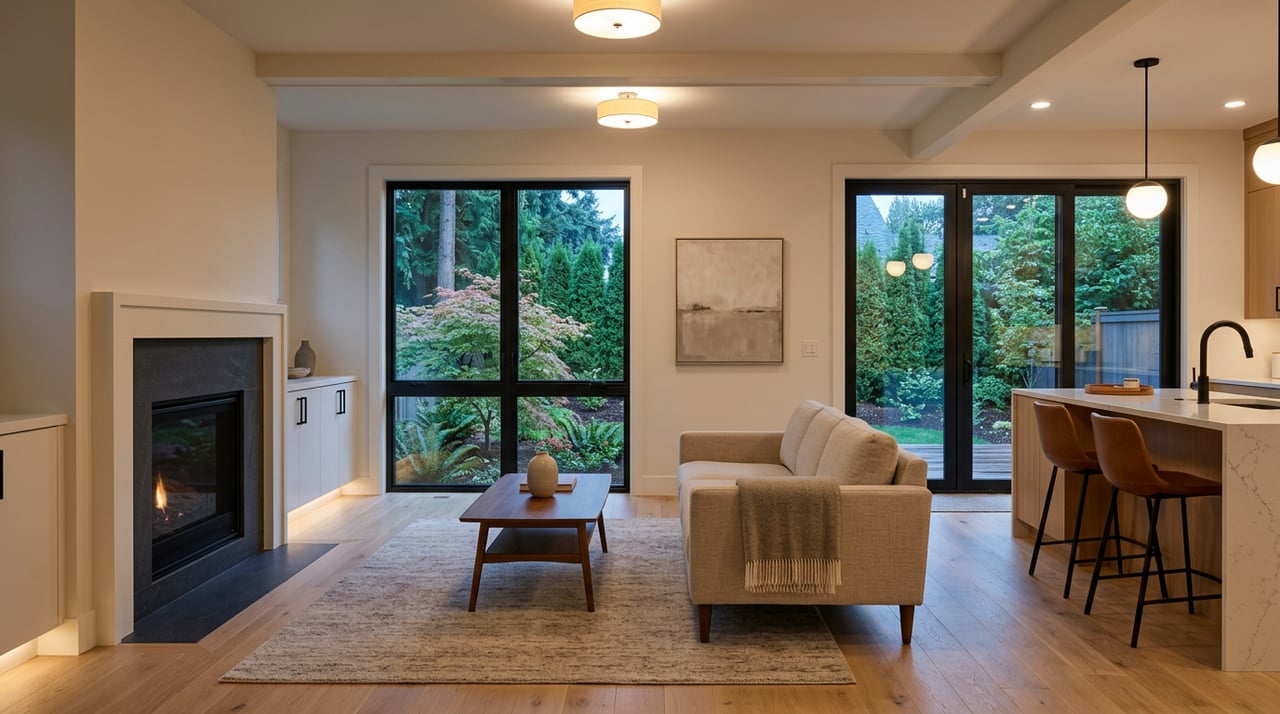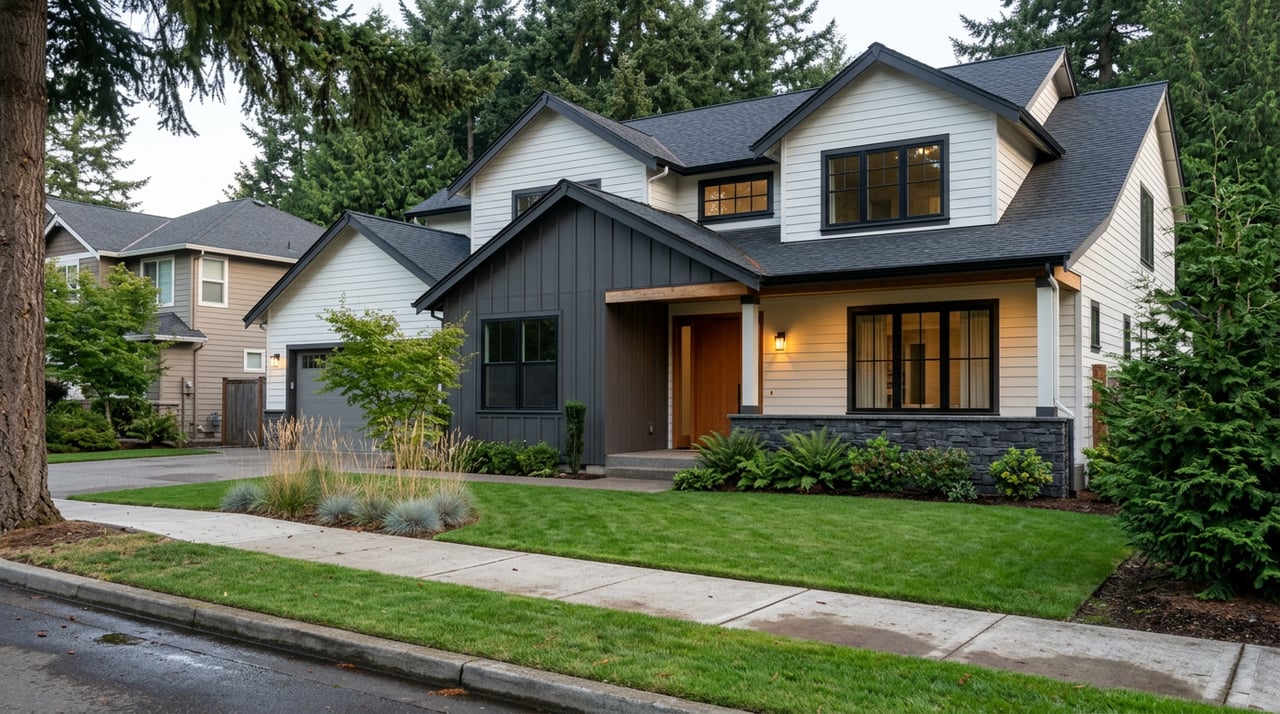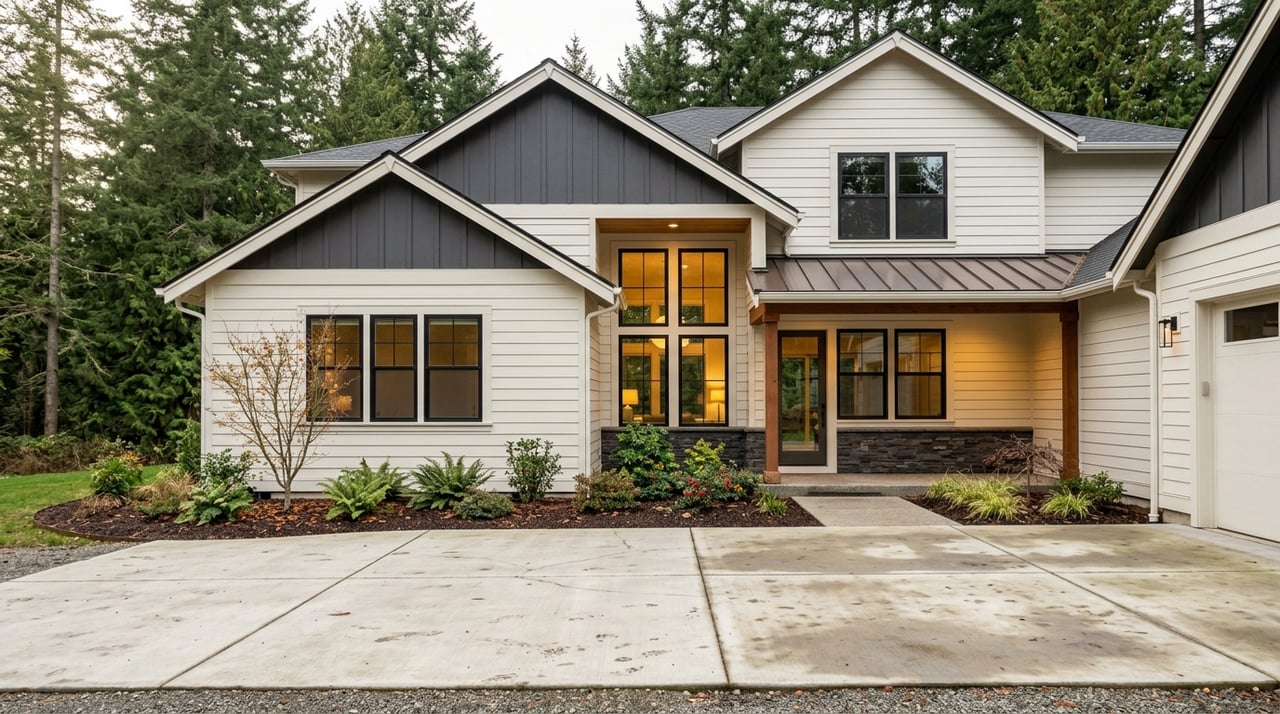
Looking for more space without giving up access to Portland or Longview? If you want a small-town feel, potential for acreage, and a workable commute, Woodland, Washington might be the sweet spot you’ve been searching for. You’re likely weighing drive times, housing options, schools, and amenities. In this guide, you’ll get a clear, practical look at how Woodland stacks up so you can decide if it fits your lifestyle. Let’s dive in.
Where Woodland sits and how the commute works
Woodland sits on I‑5 between Vancouver/Portland to the south and Longview to the north. The city straddles Clark and Cowlitz counties, with most residents on the Cowlitz side. The state’s population estimate puts Woodland at about 6,500 residents in 2025, which aligns with a small, community-centered city scale. You can verify that figure on the state OFM’s 2025 estimate posted by the city.
- Woodland to Vancouver: about 20 to 25 miles. Typical drive can run 20 to 30 minutes off-peak. Peak hours vary with I‑5 and river‑crossing traffic.
- Woodland to downtown Portland: about 25 to 30 miles. Under normal conditions, the drive is often 30 to 40 minutes. Check the driving time from Woodland to downtown Portland to test your exact route and time of day.
- Woodland to Longview: about 20 to 25 miles. Typical drive is often 30 to 40 minutes depending on traffic.
Practical tip: commute times on I‑5 are sensitive to incidents and bridge backups. Run your precise origin and destination on your favorite map app during the hours you plan to travel.
Cross‑state work note: if you live in Washington but earn wages in Oregon, Oregon taxes apply to Oregon‑sourced income. See Oregon’s nonresident tax rules for details and talk with your tax advisor.
Housing options: in‑town vs acreage
Woodland’s housing stock skews single‑family with a modern build profile. According to Woodland’s Comprehensive Plan housing chapter, the city has roughly 2,346 dwellings, about 69% are single‑family detached, around 53% are owner‑occupied, and about 70% were built after 1990. The plan also reports a median owner‑occupied home value of about $384,100 based on ACS data at the time of publication.
In town, you’ll find compact neighborhoods with municipal services, parks, and schools. Lot sizes are typical of a small city. If you want land, the draw is the surrounding unincorporated areas of Cowlitz and Clark counties, where rural residential and agricultural zones commonly allow 1‑, 2‑, and 5‑acre minimums, and in some categories even larger. You can review the Cowlitz County zoning code and Clark County rural lot-size guidance to understand what zoning allows on a specific parcel.
Acreage comes with a different set of checks:
- Utilities and services: many rural parcels rely on well and septic rather than city water and sewer. Confirm health‑district requirements before you write an offer.
- Access and response: look at road access, fire district coverage, and travel times to town.
- Boundaries and permits: verify zoning, the urban growth area boundary, and any building constraints.
The city also plans for modest growth. The housing analysis allocates capacity for hundreds of additional homes through 2045, which signals steady but measured expansion over time.
What you get for the money
You’ll often find Woodland positioned between Longview and Vancouver/Portland on price. Market snapshots frequently show Woodland more affordable than many Vancouver and Portland neighborhoods, while Longview typically trends less expensive than Woodland on median sale metrics. Because figures move month to month and vary by source, check a current Woodland market snapshot before you set your budget.
What this means for your search:
- If you want more house or land for the dollar than typical Vancouver or Portland neighborhoods, Woodland can offer value without feeling remote.
- If lowest possible price is the top priority, Longview may have more budget-friendly options, with a different employment and amenity profile.
- If you need daily, short commutes into Portland or central Vancouver, factor the extra I‑5 time from Woodland into your decision.
Schools, parks, and everyday life
Woodland Public Schools serves the city with multiple elementary schools, a middle school, Woodland High School, and alternative programs. It’s a smaller district, which many families appreciate for community feel and simpler logistics. For program specifics or school‑level performance data, visit the Woodland Public Schools district and review independent resources to compare offerings with Vancouver or Longview.
Outdoor access is a highlight. The Woodland city parks inventory includes Lewis River access points, boat launches, Goerig Park, Eagle Park, and Horseshoe Lake Park, plus a skatepark. Local culture adds charm with destinations like the Hulda Klager Lilac Gardens in spring, the working Cedar Creek Grist Mill, and productions at Love Street Playhouse.
For daily needs, you’ll find groceries, cafes, and local services in town. For big‑box retail, specialty healthcare, and broader shopping, most residents make quick trips to Vancouver or Longview.
Healthcare and essential services
Woodland has local clinics for routine care. For hospital services, residents typically head to PeaceHealth Southwest Medical Center in Vancouver or PeaceHealth St. John in Longview. Depending on traffic and your exact address, both are often within a 20 to 40 minute drive. If proximity to a hospital is critical, map the route at the times you would normally travel.
Also consider site specifics. Many parcels in the river valley sit near floodplains or critical areas. Before you buy, check flood maps and the city’s planning references for any building or insurance requirements that could affect your plans.
Who Woodland fits best
- You want a small‑town setting with quick access to I‑5 and two regional job centers.
- You prefer a larger yard or are targeting 1 to 5 acres just outside city limits.
- You value river access, parks, and low‑key community events over dense urban amenities.
- You work hybrid or remote and can schedule around peak I‑5 traffic.
How to decide your next step
- Test your commute at your typical times for at least a week of sample runs.
- Confirm school attendance zones with the district, since boundaries can differ from city limits.
- Validate pricing and competition with current MLS data before settling on a target budget.
- For acreage, review zoning, well and septic requirements, and access logistics early in the process.
- If you are financing, talk with your lender about rural property considerations like appraisals and outbuilding coverage.
If Woodland sounds like a match, we would be delighted to help you compare neighborhoods, sort acreage logistics, and preview homes. Book a Consultation with Leigh Calvert - Oxford Street Partners to get a tailored plan.
FAQs
Is Woodland, WA a realistic daily commute to Portland?
- Many residents do it. Expect about 30 to 45 minutes in normal conditions, with longer times during peak hours or incidents on I‑5. Test your exact route and timing.
Can you find 1–5 acre properties near Woodland?
- Yes. Rural zones in nearby Cowlitz and Clark counties commonly allow 1 to 5 acre lots. Most acreage sits outside city utilities, so plan for well and septic.
How do Woodland schools compare to larger districts?
- Woodland Public Schools is smaller and community‑centered. For programs and performance, review district resources and compare with Vancouver or Longview to match your priorities.
Do you pay Oregon income tax if you live in Woodland but work in Portland?
- Typically yes on Oregon‑sourced wages. Living in Washington does not exempt income earned in Oregon. Check Oregon’s nonresident rules and consult your tax advisor.
How close is the nearest hospital to Woodland?
- Full‑service hospitals are in Vancouver and Longview. Depending on traffic and your address, plan on roughly 20 to 40 minutes to either facility.