Buying your first home in Battle Ground can feel both exciting and a bit overwhelming. You want space, value, and an easy path into ownership without missing crucial steps. This guide gives you a clear picture of prices, what you can buy, commute realities, financing options, inspections, and a simple plan to move forward with confidence. Let’s dive in.
Why Battle Ground works for first-time buyers
Battle Ground offers suburban living with access to nature and everyday conveniences at prices that are often friendlier than closer-in metro neighborhoods. As of early 2026, major data providers show a typical home value in the mid 500s, with medians commonly ranging around 525,000 to 595,000. Different sources report different figures because of timing and methodology, so always confirm the latest local MLS snapshot when you are ready to shop.
Market pace has eased compared with the peak years. Recent reports showed many homes taking roughly 70 to 80 days to sell in late 2025. That suggests you may see less bidding frenzy in some segments, yet good homes still move on reasonable timelines. If you plan to house-hack later, note that the area shows healthy rental demand, which can support long-term flexibility.
What you can buy in Battle Ground
New construction at a glance
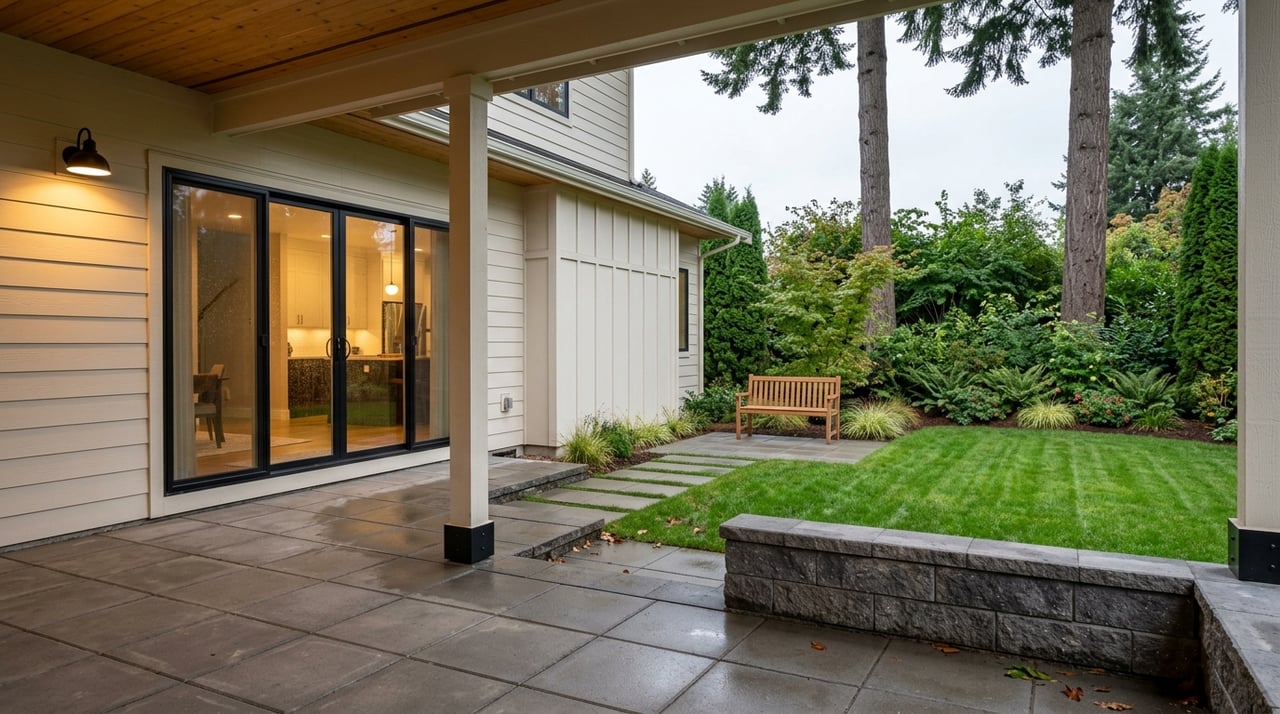
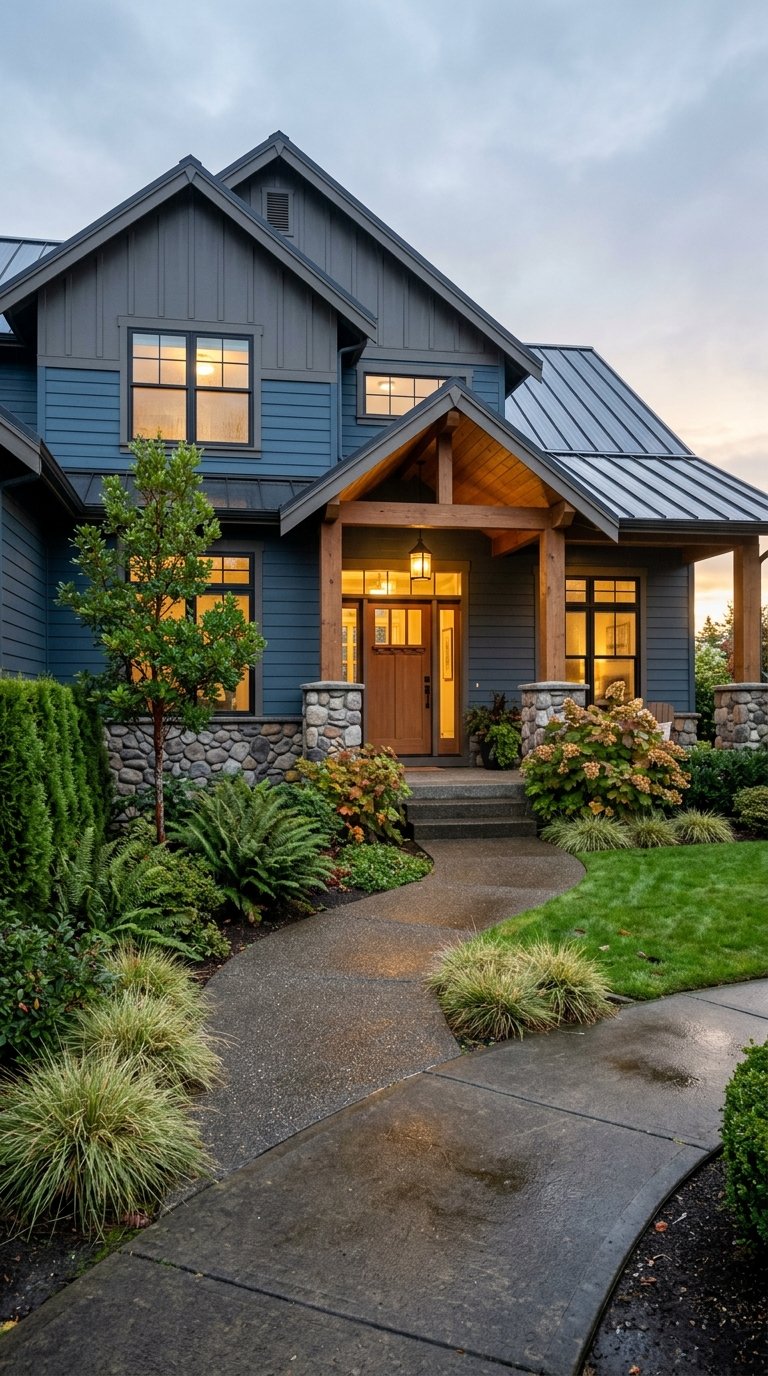
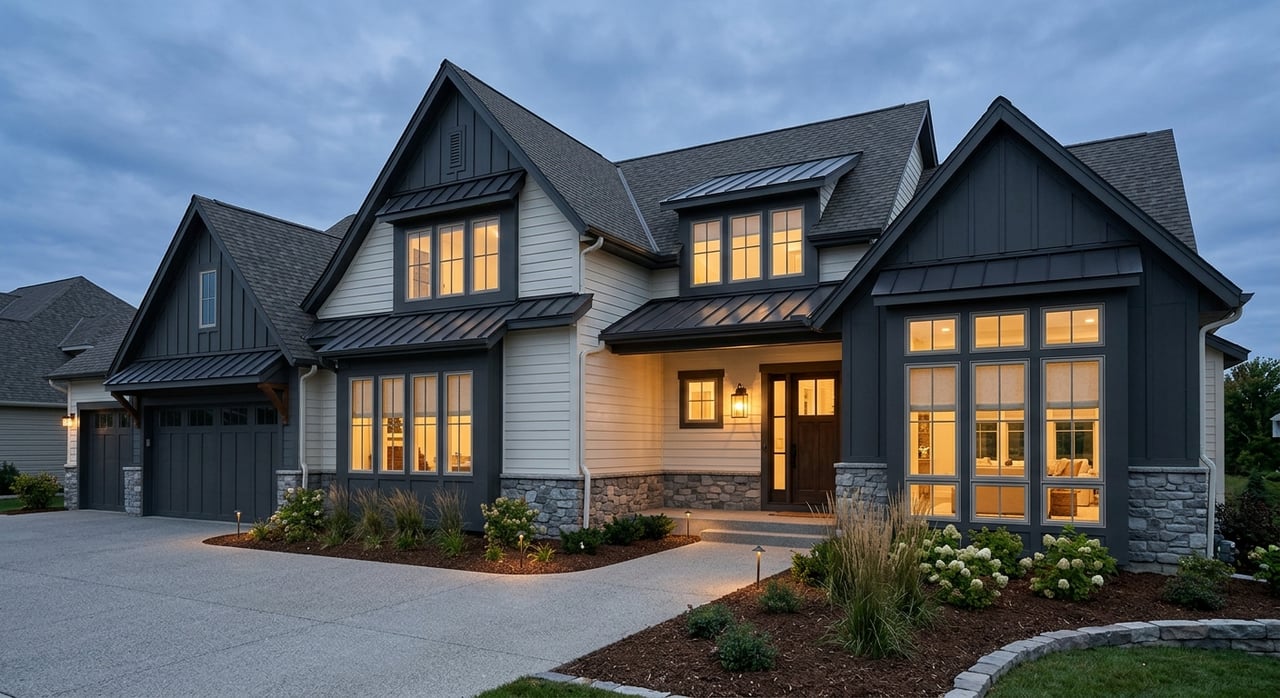
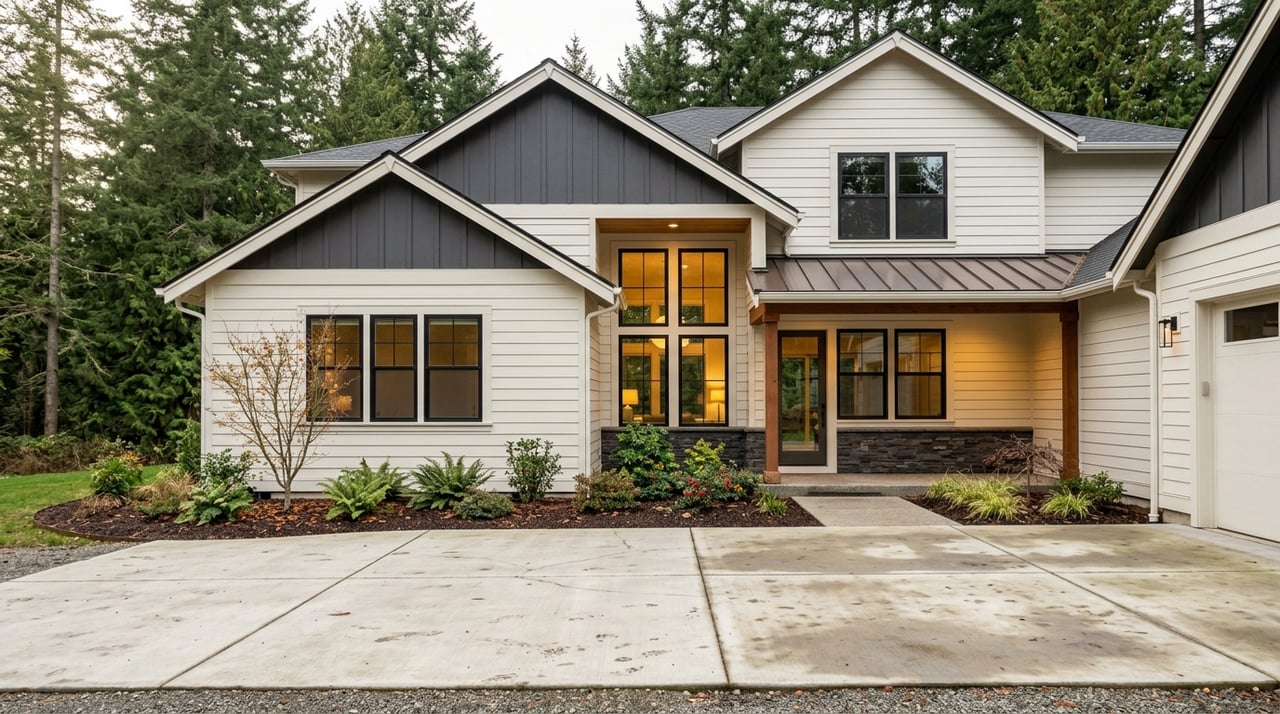
New subdivisions in and around Battle Ground feature 3 to 4 bedroom homes, often with 2 to 3 car garages and modern finishes. You will frequently see open-plan kitchens, quartz counters, durable LVP flooring, and energy-code improvements. Some builders include small neighborhood parks or modest HOA-maintained amenities.
- Pros: builder warranties, modern systems, low near-term maintenance, and occasional incentives such as rate buydowns or upgrade packages.
- Cons: higher list prices than many resales, limited room to negotiate on spec homes, and the need to manage a final punch list before closing.
Resale homes and established neighborhoods
Resale options range from classic ranch homes to two-story layouts in mature neighborhoods. You may find a lower price per square foot and established landscaping.
- Pros: potential savings per square foot, character, and more negotiation room depending on condition and time on market.
- Cons: older roofs, HVAC, or water heaters may need replacement sooner. Some properties sit on septic or well systems, which require extra due diligence.
Commute and getting around
Battle Ground is about 16 miles to Vancouver and roughly 26 miles to downtown Portland, with typical non-peak drives of around 20 to 30 minutes into Vancouver and 30 to 45 minutes into Portland, depending on route and traffic. If you commute, do a timed test drive during your normal hours to be sure it fits your schedule.
For transit, C-TRAN provides bus service connecting Battle Ground to Vancouver and regional links. Service levels are more limited than car travel, so check routes and schedules directly with the agency. You can review current options through C-TRAN.
Everyday lifestyle and services
- Outdoor recreation: Battle Ground Lake State Park offers a tree-lined lake, trails, camping, and non-motorized boating close to town.
- Groceries and retail: You will find major anchors like Fred Meyer and Safeway, plus local shops and restaurants along Main Street.
- Schools: The city is served by Battle Ground Public Schools. If schools are part of your decision, review official district and state resources for current information.
- Healthcare: The nearest regional hospitals are in Vancouver, including Legacy Salmon Creek Medical Center. PeaceHealth Southwest Medical Center is also nearby in Vancouver.
Financing and down-payment help
First-time buyers often combine a low down payment loan with state-backed assistance.
- FHA: Allows a minimum down payment of about 3.5% for qualified borrowers and requires mortgage insurance. Learn more about basics at this FHA down payment overview.
- VA: Eligible veterans and some service members can access no down payment options under VA guidelines. See the VA’s purchase overview on the VA Home Loans site.
- Washington State programs: The Washington State Housing Finance Commission pairs first mortgages with down payment assistance and offers free homebuyer education courses. Explore current programs and class schedules at the WSHFC Here to Home site.
Tip: A low down payment loan is not the same as down payment assistance. DPA is usually a second loan or a forgivable program layered on top of your main mortgage. Check income limits, first-time buyer definitions, and any required education class before you shop.
Inspections and due diligence in Clark County
Septic systems and wells
Some properties around Battle Ground use on-site septic. Clark County requires routine operation and maintenance reporting. Always request county records, recent pumping or inspection history, and be ready to order a dedicated septic inspection. Guidance and records start with Clark County Public Health’s septic page.
Roof, drainage, and moisture
Wet winters in the Pacific Northwest make roofs, gutters, downspouts, and grading especially important. Inspectors will look closely at roofing condition, crawlspace ventilation, signs of water intrusion, and potential mold issues. Budget for gutter cleaning, downspout extensions, and minor grading improvements if needed.
Radon and indoor air
Clark County is generally considered lower risk on statewide radon maps, but levels vary by lot. A short-term radon test during your inspection window can provide peace of mind. For context, review Washington radon zone information via statewide references.
New-build punch list vs resale maintenance
New homes may have warranty items to resolve shortly after move-in. Resale homes often require near-term attention to HVAC, roofing, or water heaters. Plan a small contingency fund either way.
How to compete and add value
- Ask your agent for a 6 to 12 month comparable analysis at the neighborhood level. This helps you price your offer correctly.
- If days on market are moderate or rising, you may negotiate inspection timelines or a closing credit for known repairs.
- On builder-dominated subdivisions, expect less room on price but watch for incentives such as rate buydowns or included upgrades.
- Consider flexible terms that help the seller, like a short rent-back or your choice of closing date, when appropriate.
Step-by-step plan for first-time buyers
- Get fully pre-approved with a lender that offers FHA, conventional, VA, and WSHFC options.
- If you plan to use down payment assistance, register for a WSHFC homebuyer education class early and confirm your lender participates.
- Define your must-haves vs nice-to-haves and set a clear monthly budget target.
- Tour both new construction and resales to compare pricing, finishes, and timelines.
- Do a test commute during your typical travel hours.
- When you find a home, structure your offer with current comps and seller-friendly terms where possible.
- Order a full home inspection. Add sewer scope, septic inspection, well testing, and radon testing as relevant.
- For new builds, confirm warranty coverage and agree on a written punch list with completion timelines.
- Review final disclosures, insurance quotes, and title reports before signing.
- Schedule utilities and plan your first-month maintenance list.
Final thoughts
Battle Ground gives you room to breathe, everyday convenience, and a clear path into homeownership with strong long-term potential. With the right preparation, you can compare new vs resale options, secure smart financing, and navigate inspections without surprises. If you want a calm, well-organized buying experience backed by local expertise, let’s talk about your goals and timeline.
Ready to begin? Book a consultation with Leigh Calvert - Oxford Street Partners to create your first-time buyer plan.
FAQs
What is the average home price for first-time buyers in Battle Ground?
- As of early 2026, typical values cluster in the mid 500s, with medians often shown around 525,000 to 595,000. Confirm a fresh MLS snapshot when you start shopping.
Are there down payment assistance programs in Washington for beginners?
- Yes. The Washington State Housing Finance Commission offers first mortgages paired with assistance and free homebuyer education. Check eligibility, income limits, and class requirements.
How long is the commute to Portland or Vancouver from Battle Ground?
- Non-peak drives are commonly about 20 to 30 minutes into Vancouver and 30 to 45 minutes into Portland, depending on route and traffic. Always test the drive during your normal commute.
Which inspections are most important locally?
- A full home inspection plus septic evaluation where applicable, sewer scope for older lines, roof and crawlspace checks, and optional short-term radon testing if you want extra assurance.
What transit options exist if I do not want to drive daily?
- C-TRAN operates routes that connect Battle Ground to Vancouver and regional links. Service is more limited than driving, so confirm specific routes and schedules.
How competitive is the entry-level market right now?
- The pace has moderated compared with peak years. Many properties still sell on reasonable timelines, and you may see more room for negotiation depending on price band and condition.