A Hough seller walks into the first offer with a strong list price, two competing bids, and a clean Form 17. Ten days later, the buyer's lender pauses funding because the appraiser's photos caught a small vent pipe rising from the side of the house. That vent pipe is the tell. Somewhere in the yard, likely within a few feet of where the furnace used to sit, there is a steel tank that has not held oil since the Eisenhower administration and has not been on anyone's mind since. It is about to become the only thing anyone talks about for the next thirty days.
This is the friction Vancouver sellers of pre-1960 homes most consistently underweight, and in 2026 the calculus around it changed in a way the average listing agent has not caught up to.
Why an old tank behaves like a deal-killer, not a repair item
A leaking or unresolved underground storage tank does not just cost money to fix. It jams the machinery of the transaction itself. Insurers are reluctant to bind coverage on a property with a known unused oil tank, and most homeowner policies that do bind carry leakage and pollution exclusions, which means the exact risk the buyer cares about is uncovered. Lenders typically will not release funds until the tank has been removed in code-compliant fashion with a contractor's report on file. No hazard policy means no mortgage. No mortgage means the buyer pool shrinks to cash buyers pricing in the tail risk.
The seller reads that sequence and assumes it will resolve with a decommissioning invoice. Sometimes it does. Sometimes soil samples come back above Model Toxics Control Act cleanup levels and the timeline stretches from days into months. A 2008 case reported out of West Vancouver, BC — used regularly as a cautionary tale by tank contractors on both sides of the border — involved a homeowner who spent close to $160,000 removing roughly 5,000 liters of contaminated fuel from a tank that had not been used in 25 years. That number is an outlier. But it defines the shape of the tail.
What actually changed on July 31, 2025
For decades, Washington sellers of oil-heated homes relied on a state safety net most of them did not know they had. The Pollution Liability Insurance Agency ran the Heating Oil Insurance Program, which effectively backstopped cleanup on properly registered tanks. That program ended.
The private insurance policy underlying HOIP expired on June 30, 2025, and PLIA stopped accepting new HOIP claims on July 31, 2025. Claims for releases reported before July 1, 2025 remain valid and can, in narrow circumstances, be reopened by the original owner. Everyone else moves into the replacement.
That replacement is the Heating Oil Loan and Grant Program, or HOLG. The mechanics look nothing like the old insurance product:
- Up to $60,000 in cleanup grants per tank, plus loans available for infrastructure replacement, capped at $75,000 total per single heating oil tank.
- Application cycles open twice a year, spring and fall, for 45 days.
- Grants are not income-based, are not repaid, and do not require pre-registration. Owners apply when they are ready to act.
- All work must be pre-approved by PLIA before it begins. Costs incurred before approval are ineligible.
- Cleanup grants apply only to cleanup and associated tank removal. Infrastructure upgrades sit under the loan side.
There is also a Technical Assistance Program, TAP, that provides opinion letters on independent remedial actions within 90 days for heating oil sites, for a one-time $1,500 fee.
Read that timeline against a real estate transaction. A Vancouver home under contract cannot wait for a fall application cycle. Which is why the entire strategic decision, for a seller of an older home, is no longer "handle it in escrow." It is "handle it before the sign goes in the yard."
What Form 17 covers, and what it does not
Washington's Seller Disclosure Statement (Form 17) requires the seller to disclose known underground storage tanks. That obligation is real, and courts have historically treated a knowing failure to disclose a material latent defect as grounds for liability. Oregon buyers relocating north sometimes assume the two systems are identical. They are not. Oregon Revised Statute 105.464 makes disclosure of a known heating oil tank a specific statutory item, and Oregon DEQ recommends soil testing at roughly $200 to $300 before listing, with site-assessment data considered invalid for a decommissioning certification after 90 days.
Here is where the Vancouver seller stumbles. Form 17 protects the buyer from liars. It does nothing about honest ignorance. A homeowner who bought a Hough Foursquare in 1998 with a gas furnace already installed genuinely does not know whether the previous owner filled a tank with sand and moved on. Their honest "do not know" answer transfers zero risk. Which means the scan, not the disclosure form, is what actually protects both parties.
The pre-listing sequence
For a home built before roughly 1957 in Hough, Rose Village, or the older pockets of Carter Park, the sequence that saves money and closes on time looks like this:
- Book a locator scan. A magnetic or ground-penetrating radar survey runs a few hundred dollars, takes an hour or two, and comes with a written certificate the buyer's lender can accept.
- If no tank is found, keep the letter in the listing file. It becomes the single most efficient answer to every inspection contingency.
- If a tank is found, disclose on Form 17 and decide before pricing whether to remove pre-listing, which cleans the comp and widens the buyer pool, or price a credit and accept a narrower audience.
- If soil sampling turns up contamination above Chapter 173-340 WAC cleanup levels, apply to HOLG in the next open cycle, enroll in TAP if an opinion letter is needed, and set seller expectations for a longer marketing window.
- At closing, deliver the packet. Decommissioning report, contractor invoices, any PLIA or Department of Health correspondence, and the DEQ-equivalent state acknowledgment. The buyer's lender will ask.
Universal Applicators, based in the Portland-Vancouver metro, handles decommissioning and cleanup on both sides of the river and works with Washington's PLIA framework directly. Alpha Environmental covers oil tank, radon, and mold work regionally. Envirotank has been active on PLIA-eligible sites during the transition. Any of these can quote a scan without a listing commitment.
The order of operations is the whole game. A seller who scans in week one has options. A seller who discovers a tank on day 22 of escrow has a problem.
Where this actually shows up on the map
Not every Vancouver neighborhood carries the same tank risk. The concentration follows the age of the housing stock, and it is more geographic than most sellers realize.
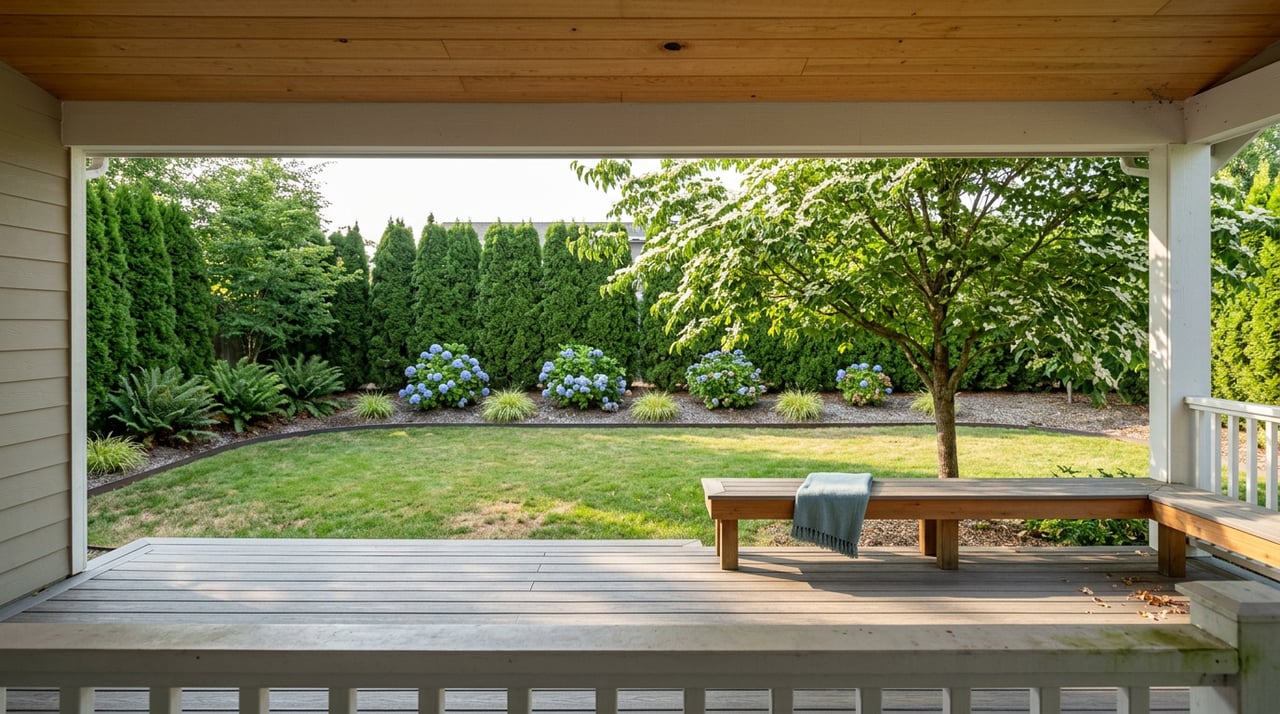
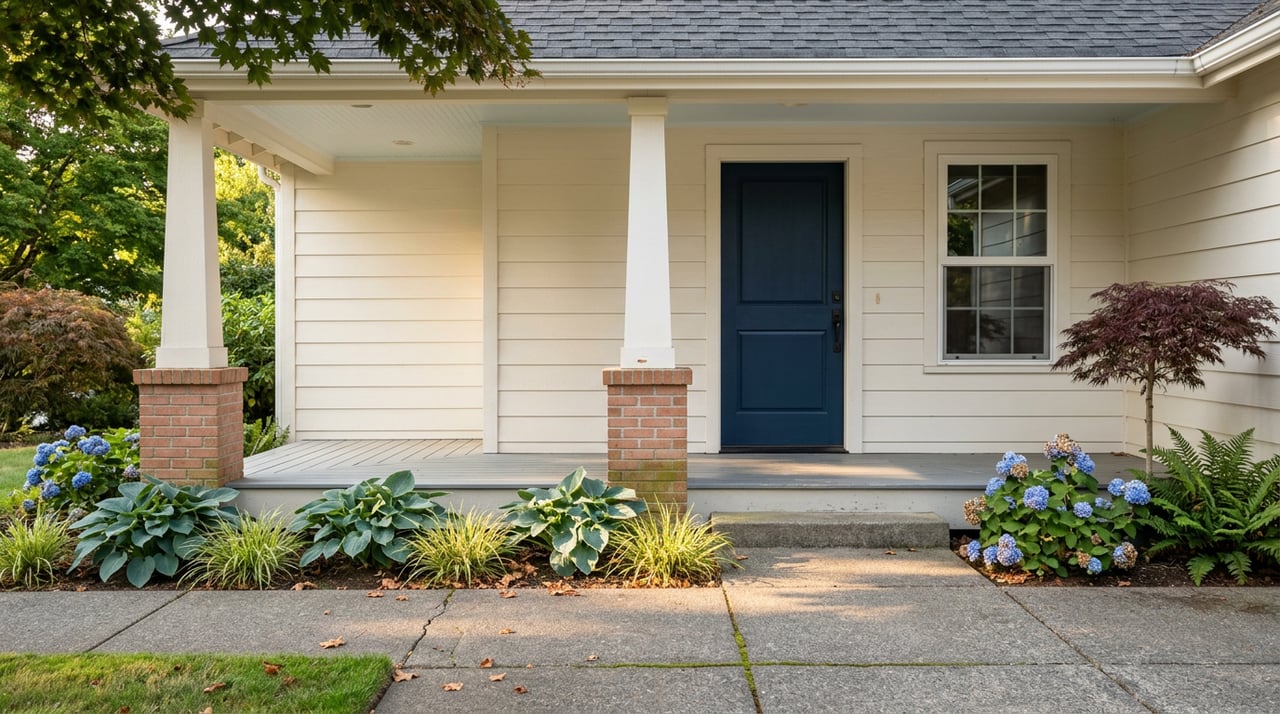
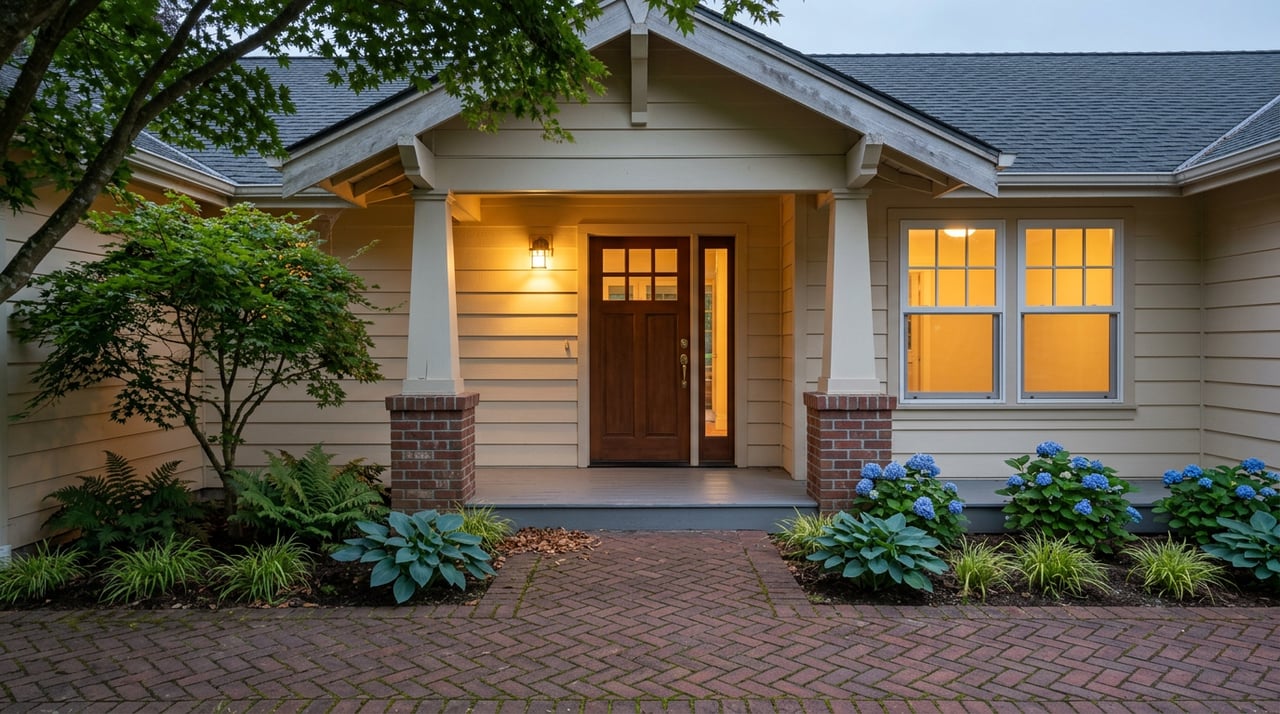
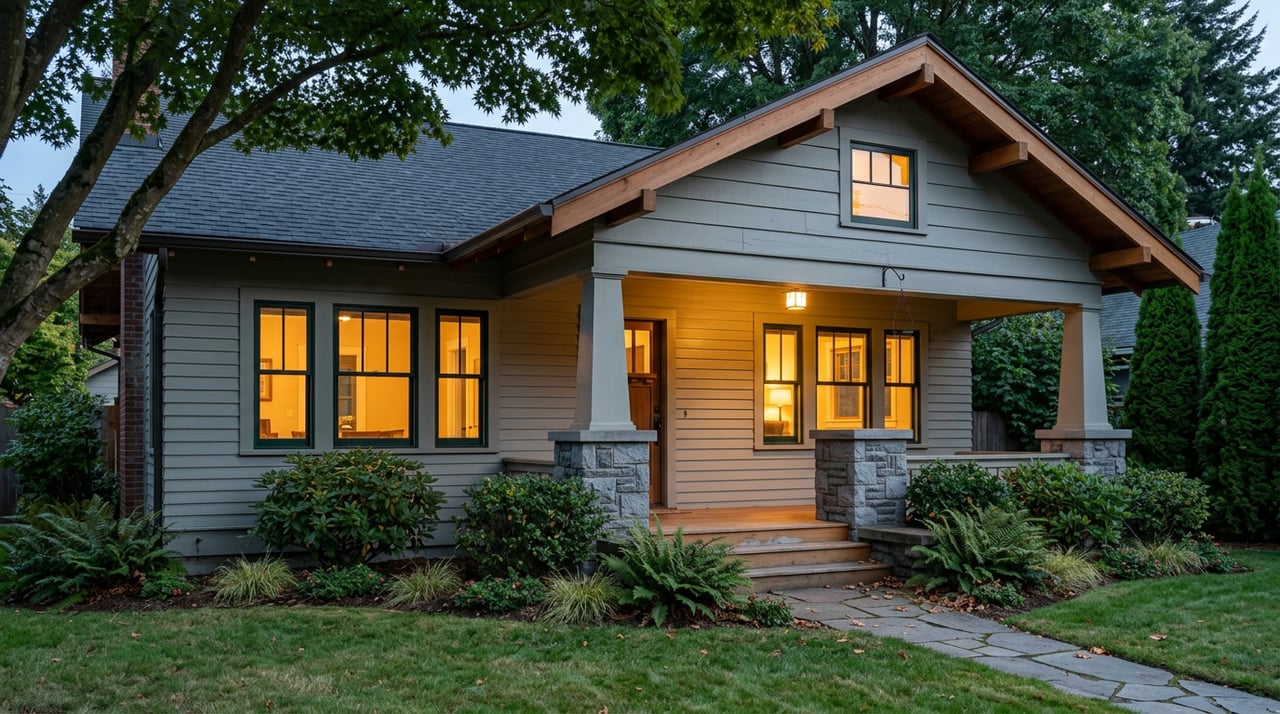
Hough is the primary exposure. The neighborhood, placed on the Washington Heritage Register in 2003, holds the largest collection of pre-World War II housing in Vancouver, running roughly from Kauffman to Broadway and 15th to Fourth Plain. Craftsman bungalows, Foursquares, the occasional Queen Anne. Almost all of it predates the natural gas conversion wave. As of mid-2025 the median sale price in Hough was around $589,900 with roughly 29 days on market, a premium a discovered tank can erase in one lender email.
Carter Park, in southeast Vancouver, was built primarily from the late 1940s through the 1960s. It sits on the trailing edge of the oil-heat era. Some homes converted early, some late. The scan is cheaper than the assumption.
Fruit Valley, Rose Village, and pockets of the Shumway area carry similar profiles.
The city-wide median tells a very different story than the Hough-specific one. Vancouver's overall median sale price sat near $490,000 in the three months ending May 2026 per Redfin, with Zillow's ZHVI at $510,224 as of May 31, 2026. Homes go pending in roughly 12 to 20 days. Speed masks fragility. A market that clears in two weeks assumes clean files. Buried steel is the friction that most reliably breaks that assumption.
FAQ
Does a decommissioned tank still need to be disclosed? Yes. Form 17 asks about known underground storage tanks, decommissioned or otherwise. Providing the prior contractor's report at listing usually neutralizes the issue.
Can I sell "as is" and let the buyer handle it? You can list that way. In practice, financed buyers cannot close without lender-acceptable documentation, and cash buyers price in the full worst-case cleanup. The credit you concede usually exceeds the cost of resolving it before listing.
Is my current homeowner's policy going to cover a leak discovered during sale? Almost certainly not. Standard policies carry pollution exclusions, and HOIP insurance ended in July 2025. HOLG grants are the current backstop, and they must be pre-approved before work begins.
Selling a pre-1960 home in Vancouver rewards the seller who runs the scan before the sign goes up. If you are weighing a Hough, Carter Park, or older Vancouver listing this fall, Oxford Street Partners will walk the property with you, connect you with the right locator and decommissioning contractor, and sequence the pre-listing work so your file is closing-ready on day one. Book a consultation and let's map the specific path for your home.