Relocating out of state can make selling your home feel like a juggling act. You are trying to plan a move, manage paperwork, and keep your Vancouver property market-ready, often all at once. The good news is that with the right prep and a clear timeline, you can sell smoothly from a distance. Let’s dive in.
Why timing matters in Vancouver
Vancouver remains a relatively fast-moving market, which means your home may attract attention quickly once it goes live. Redfin reported a March 2026 median sale price of $489,000 and a median 18 days on market, while Zillow’s April 2026 snapshot showed homes going pending in about 13 days.
For you as a relocating seller, that pace matters. If your pricing, photos, staging, disclosures, and showing plan are not ready before you leave, you may end up making rushed decisions from another state.
Build your plan before you move
The easiest out-of-state sale usually starts before the moving truck arrives. A little front-end work can reduce stress later and help you respond quickly once buyers start showing interest.
Gather disclosures early
Washington has a specific disclosure timeline that can affect your closing schedule. In most cases, the seller disclosure statement must be delivered no later than five business days after mutual acceptance unless the parties agree otherwise.
The form is based on your own knowledge of the property. Buyers usually have three business days after receiving it to rescind, unless they agree in writing to a different timeline.
If you are already out of state, gathering your records in advance makes this step much easier. That includes repair receipts, service records, warranties, guarantees, and manuals for items staying with the home.
Know what happens if new issues come up
Your disclosure duties do not end the moment you sign the listing paperwork. If you learn new information before closing, Washington law requires that the disclosure be amended and delivered.
That can be important if an inspection, repair visit, or vacant-home check uncovers a new issue. If the issue is corrected at least three business days before closing, no amendment is required. Otherwise, the buyer may accept the amendment or rescind, and the closing date can be extended to preserve that rescission window.
Consider a pre-sale inspection
A pre-sale inspection is not required, but it can be useful when you are relocating. It may help you identify issues to repair before showings begin, and it can also help you understand what may need to be disclosed.
For an out-of-state move, that kind of clarity can save time. It is often easier to address known concerns before you leave than to coordinate repairs from hundreds of miles away.
Focus on presentation before departure
When you are selling from another state, your home has to do more of the talking for you. Strong presentation helps buyers understand the space quickly, especially when they first see it online.
NAR’s 2025 staging report found that 83% of buyers’ agents said staging made it easier to visualize a property. The same research showed that photos, videos, and virtual tours matter strongly to buyers.
That lines up well with what relocating sellers need most: a home that looks polished online and in person, even when you are no longer nearby.
Prioritize the rooms buyers notice most
You do not need to treat every room the same. Research points to a few spaces that tend to matter most when buyers form an opinion.
If you are choosing where to invest your effort, focus on:
- Living room
- Primary bedroom
- Kitchen
- Dining room
These spaces often carry the strongest visual impact in listing photos and showings. Clean styling, simple furniture placement, and a bright, uncluttered look can go a long way.
Use a practical showing checklist
Before you leave Vancouver, it helps to create a repeatable showing setup. NAR’s seller guidance recommends simple but important steps that improve presentation and reduce distractions.
A solid checklist includes:
- Clear counters and surfaces
- Declutter visible storage areas
- Wipe down kitchens and baths
- Turn on all lights before showings
- Hide valuables and medications
- Arrange a plan for pets during tours
If the home will be vacant, many of these tasks become easier to maintain. That can be a real advantage when you are no longer living in the property.
Selling a vacant Vancouver home
Yes, you can absolutely sell after you have moved. In fact, a vacant home can sometimes simplify showings because buyers and agents can tour without scheduling around your day-to-day routine.
That said, vacant homes still need a strategy. Buyers respond strongly to staging, professional photography, video, and virtual tours, so it is worth making sure the home feels inviting rather than empty.
Keep curb appeal in the plan
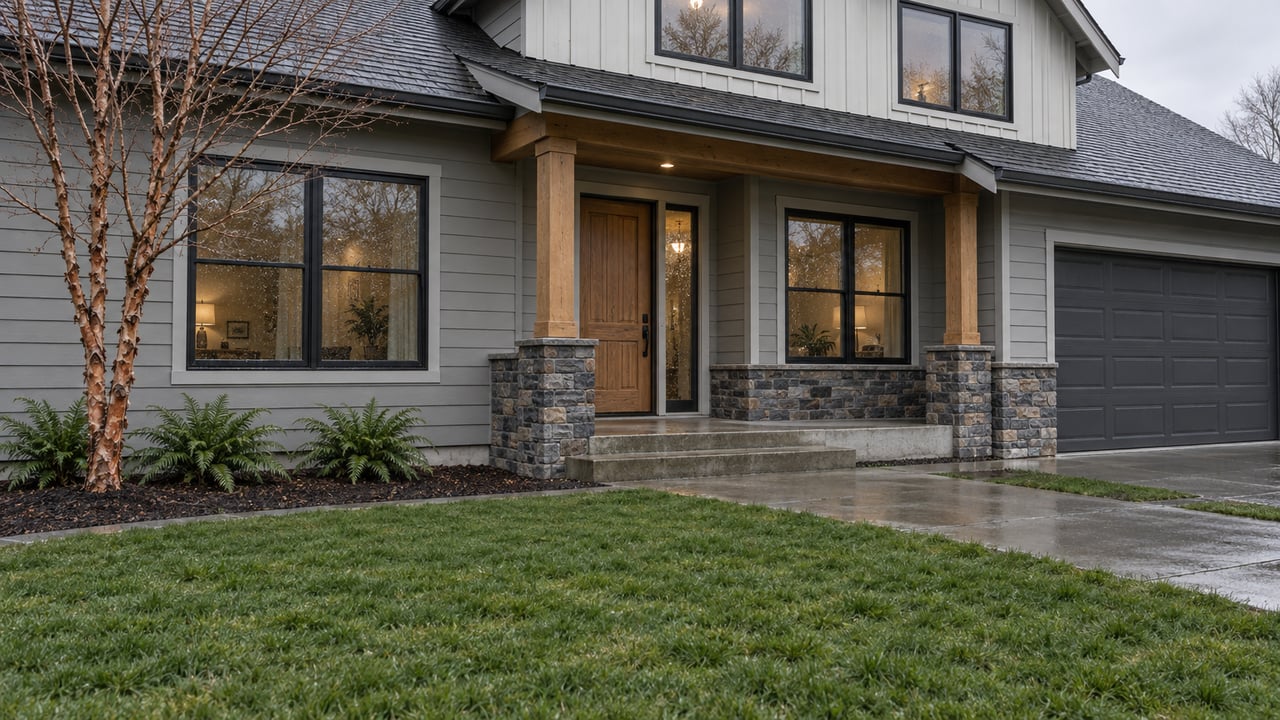
If you leave before the home sells, exterior upkeep still matters. Cleaning, decluttering, and improving curb appeal can improve how the home appears in person and in listing media.
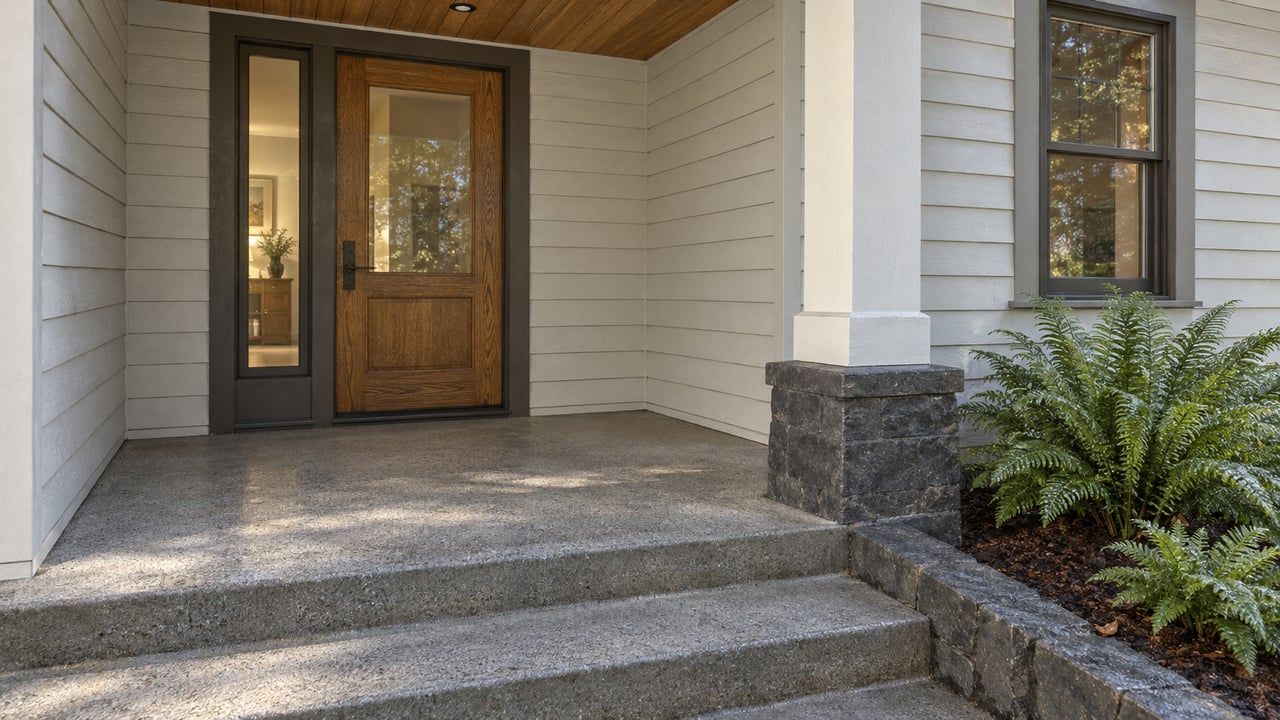
Before you go, make a plan for lawn care, seasonal touch-ups, and porch or entry maintenance. A tidy exterior helps support the polished first impression your marketing is trying to create.
Older homes need one more step
If your Vancouver home was built before 1978, there is an additional disclosure item to handle early. Federal law requires disclosure of known lead-based paint hazards before sale.
This is especially important when you are preparing paperwork remotely. If your home is older, it is wise to gather that information before the listing launches so the sale stays on track.
How an out-of-state closing can work
One of the biggest questions relocating sellers ask is whether they need to come back to Washington to sign closing documents. In many cases, the answer is no, provided the signing process is coordinated correctly.
Washington allows remote notarization when the notary has the required endorsements and uses approved audio-video technology. The remote notarial certificate must also state that communication technology was used.
In practical terms, that means you can often sign from another state if escrow, title, and notary logistics are lined up in advance. Clark County also allows eRecording for excise documents, which reduces mailing and travel burdens and supports a more distance-friendly closing process.
Understand when closing is really complete
Under Washington law for this chapter, closing occurs when the buyer has paid and the conveyance document, including the deed, has been delivered and recorded. That matters because disclosure obligations continue until recording is complete.
If something changes before that point, speed becomes very important. Repairs, inspection responses, and disclosure updates should be handled promptly so they do not delay closing or reopen buyer termination rights.
Do not overlook REET and recording steps
Washington real estate excise tax, often called REET, applies to most real property sales unless an exemption applies. Sellers usually pay it.
Clark County states that REET is due 30 days from the sale date, and a Real Estate Excise Tax Affidavit is required when a deed is recorded. The county also notes that deeds must be reviewed by the treasurer before recording.
For a remote seller, these are not reasons to worry. They are simply steps that should be organized early so your closing process stays orderly.
A simple relocation selling timeline
If you are trying to picture the process, this general sequence can help:
- Prepare the home with cleaning, decluttering, and curb appeal work.
- Gather repair records, manuals, warranties, and disclosure information.
- Consider a pre-sale inspection.
- Complete staging, photography, video, and virtual tour planning.
- List the home with a showing plan that works after you move.
- Review offers and track disclosure deadlines after mutual acceptance.
- Respond quickly to inspections, repairs, and any new property information.
- Coordinate remote signing, notarization, and recording for closing.
The key is not just getting the home listed. It is building a process that still works well after you are no longer in Vancouver.
Why local coordination makes a difference
When you are relocating, the details matter more than ever. In a market where homes can go pending in about two weeks, you want pricing, presentation, and paperwork lined up from the start.
You also want a plan for the practical parts of selling from afar, including access for showings, fast communication, disclosure updates, and closing logistics. That kind of preparation helps protect your timeline and reduces the chances of last-minute surprises.
If you are preparing to leave Vancouver and want a polished, well-managed sale, Leigh Calvert - Oxford Street Partners can help you create a clear plan, present your home beautifully, and coordinate the details from listing through closing.
FAQs
Can I sell my Vancouver home after I move out of state?
- Yes. Washington remote notarization rules and Clark County’s eRecording process can support an out-of-state closing when the signing and recording steps are coordinated properly.
How fast can a Vancouver, WA home sell?
- Recent market snapshots showed a median 18 days on market in March 2026 and about 13 days to pending in April 2026, so it helps to have pricing, media, and showing logistics ready before you leave.
What disclosures do Washington sellers need to watch when relocating?
- In general, the seller disclosure statement must be delivered no later than five business days after mutual acceptance unless the parties agree otherwise, and buyers usually have three business days after receipt to rescind unless they agree in writing to a different timeline.
What if I learn something new about my Vancouver home before closing?
- Washington law requires you to amend and deliver the disclosure if you learn new information before closing, unless the issue is corrected at least three business days before closing.
Does a vacant home in Vancouver still need staging?
- Often, yes. Buyer response is strongly influenced by staging, photos, videos, and virtual tours, especially in key spaces like the living room, primary bedroom, kitchen, and dining room.
What if my Vancouver house was built before 1978?
- Most homes built before 1978 require disclosure of known lead-based paint hazards before sale, so that paperwork should be handled early in your listing preparation.
Do sellers usually pay REET in Clark County, WA?
- Usually, yes. Washington REET applies to most real property sales unless an exemption applies, and sellers typically pay it.