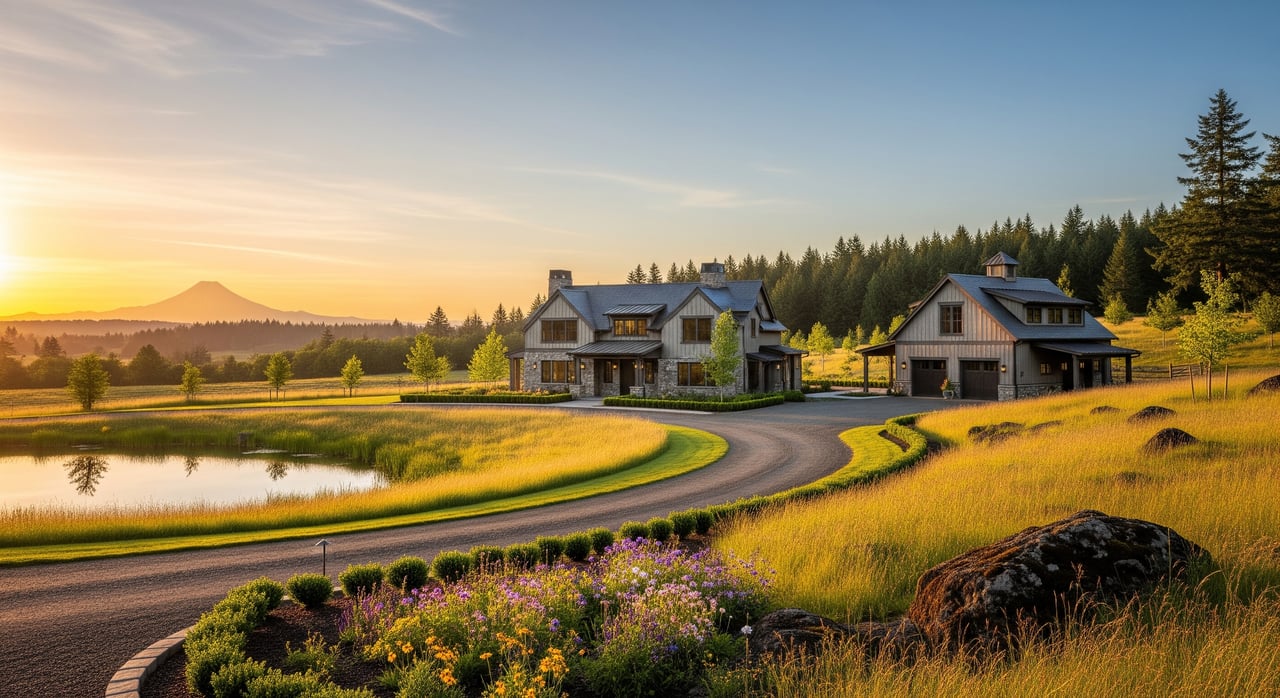
Thinking of selling your Amboy acreage in the next three to six months? The right buyer wants space, privacy, and a clear picture of how the land works, yet most listings only hint at the story. A video-first plan lets people see scale, access, outbuildings, and lifestyle in a way photos alone cannot. In this guide, you will learn what to film, how to prepare your property, legal musts for drones, and how to distribute your videos for the best results. Let’s dive in.
Why a video-first plan in Amboy
Amboy attracts several buyer types: lifestyle buyers seeking privacy and hobby farms, recreational buyers who love the outdoors, rural commuters, and remote workers who want space without losing access to Vancouver and Portland. Investors and small agricultural buyers also shop here when parcels fit their needs. Your marketing should speak to those motivations.
Location context matters. Buyers want to understand drive routes from Amboy through Battle Ground to Vancouver, seasonal road conditions, and how close the property is to essentials like groceries and medical services. Your video should show the approach, not just the home and fields.
Seasonality influences interest and visuals. Spring and early fall tend to be active for acreage. Plan filming when your pasture looks its best, trees are leafed in or out to suit the story, and weather allows safe, smooth drone work.
What to film on acreage
Must-have video deliverables
- Cinematic hero video (1–2 minutes): An emotional overview with the property’s best moments and clear value cues like views, barns, or water features.
- Walk-through tour (3–6 minutes): A paced look through the home and key exterior areas so buyers grasp flow, storage, and functionality.
- Drone flyovers: Approaches, long pullouts to show scale, and context for roads, neighboring timber, and terrain.
- Short social clips (15–30 seconds): Portrait and square edits for mobile platforms to drive awareness and clicks.
- Still photography: High-resolution frames from video plus dedicated stills for MLS compliance.
- Floor plans and parcel overlays: Simple visuals that align with the footage so buyers can place what they see.
- Lifestyle vignettes (10–45 seconds): Small moments that show lived experience, such as tending a garden, feeding animals, or an evening by the firepit.
Optional but valuable:
- Drone-based mapping: Orthomosaic maps, elevation contours, and annotated parcel images that make acreage and topography easy to understand.
Shot list and pacing tips
- Start with an aerial reveal and approach so buyers see access and scale.
- Use smooth gimbal shots inside to communicate room relationships.
- Capture functional details: door widths on barns, water spigots, wellhead location, and power in the shop.
- Include natural audio where possible. Birds, wind, and a tractor at idle add authenticity. Keep cuts measured so the land feels expansive.
Tell the outbuilding and lifestyle story
Outbuildings are value drivers. Show stall count, door heights, concrete floors, lofts, storage, and power capacity in a clear, factual way. Lifestyle clips help buyers imagine their day on the property. Think simple: a tidy tack room, the shop bench in use, livestock moving through pasture. Keep it real rather than staged.
Drone mapping that builds trust
Drone mapping can help buyers understand buildability and layout before a visit.
- Orthomosaic map: A high-resolution stitched image that shows the full parcel in one frame. It highlights driveways, clearings, and fencing.
- Elevation or contour views: Slope context for potential building pads, drainage, or arena placement.
- Annotated parcel overlays: Property lines paired with features like wells, septic areas, and outbuilding footprints.
- Inspection imagery: High-resolution roof and outbuilding photos taken from controlled positions.
These visuals reduce uncertainty and speed up conversations with engineers or contractors when needed.
Legal and privacy essentials
Drone rules and insurance
Commercial drone filming to promote a property should be done by an FAA Part 107 certified pilot. Operators must follow current airspace and Remote ID rules and should carry proper insurance. Keep documentation on hand for peace of mind.
Permits and consent
Get written permission from you, the property owner, for filming. If footage may capture identifiable areas beyond the boundary, request permission where appropriate. Filming on public roads or nearby state or county lands may require permits. If people appear in your video, obtain model releases.
Disclosures for land in Washington
Provide the required Washington State seller disclosures, including known issues with wells, septic systems, and any environmental hazards. Be clear about timber, mineral, or water rights if they apply, as well as easements and critical areas. If you use drone mapping to show wetlands or riparian buffers, note that these visuals support disclosure and do not replace official records.
Your 3 to 6 month prep plan
Months 3–6: documents and big fixes
- Gather deed, surveys, tax records, well and septic documentation, utility maps, and any conditional use permits.
- If boundaries are unclear, order a recent survey or plat map. Matching video to accurate lines builds trust.
- Schedule inspections for the roof, septic, well flow, and electrical service to barns or shops. Fix safety issues that will show on video.
- Improve curb approach: repair driveway ruts, trim brush around key structures, and clear sightlines to the home and outbuildings.
- If you want to market potential building sites, consider soil or perc tests now.
Months 1–3: staging and scheduling
- Declutter interiors and outbuildings. Remove extras that distract on camera.
- Stage light lifestyle scenes: stacked firewood, swept shop floor, tidy stables, trimmed trails.
- Address cosmetic fixes: paint touch-ups, tightened hardware, replaced bulbs.
- Book production windows for ideal daylight and season. Coordinate livestock or equipment so they support rather than clutter scenes.
- Schedule drone mapping on a low-wind day with good visibility.
One to two weeks out: final prep
- Mow selectively to create clean paths and a defined yard without losing rural character.
- Confirm access for crews and secure any needed releases.
- Make a checklist of utility points to feature: wellhead, septic access, breaker panels, hydrants.
- Create a property highlights list so no feature is missed on shoot day.
Staging that works on camera
- Keep animals and pets presentable and safe to film.
- Remove debris piles and non-functional equipment.
- Favor simple, authentic scenes over heavy staging.
- Maximize natural light indoors and reduce busy patterns to help spaces feel calm and open.
Distribution and SEO that converts
Primary channels
- MLS with compliant stills and a hosted video link for your hero film.
- YouTube for long-form videos that buyers can rewatch and share.
- Instagram Reels, TikTok, and Facebook for short clips that drive repeat exposure.
- Email marketing to active buyer lists and regional groups aligned with rural lifestyle interests.
- Local and regional publications suited to equestrian or small farm readers for targeted reach.
Video SEO checklist
- Use clear titles that include “Acreage,” the parcel size, Amboy, and a standout feature.
- Write descriptions with key specs, the nearest town, and timestamped chapters.
- Add captions or transcripts to improve accessibility and search indexing.
- Name image files and alt text descriptively so search understands what viewers see.
Measure what matters
Track views and average watch time on your hero video. Longer watch time often signals strong relevance.
Watch click-through rates from social posts to your property page and inquiry form submissions.
Monitor showing requests and open house attendance that arrive after video releases or ads.
If you run paid campaigns, follow cost per qualified lead or price per showing to guide spend.
Test and iterate
- Start with a short teaser and test audiences. If outbuilding clips drive higher clicks than views, lean into that in your hero edit.
- Refresh social cuts as the listing progresses to keep interest high during a longer acreage buyer timeline.
What to expect from the process
Acreage buyers often take longer to decide than suburban buyers. Plan for extended consideration, multiple touchpoints, and repeat video views. A typical production window includes one to two days on site for filming, then editing, mapping outputs if selected, and platform-specific cuts.
Budget should follow the complexity of the parcel and the story you want to tell. Larger acreage with multiple outbuildings takes longer to capture and edit. The goal is to invest where video and mapping remove friction for buyers: showing access, scale, utilities, and lifestyle clearly so the right buyers act with confidence.
Ready to sell with video
You deserve a tailored plan that shows your Amboy acreage at its best. With high-production listing video, polished presentation, and a thoughtful distribution strategy, you can reach the right buyers and move forward with confidence. If you are planning to list in the next three to six months, let’s talk through a bespoke approach for your property. Book a consultation with Leigh Calvert - Oxford Street Partners.
FAQs
What is a video-first plan for Amboy acreage?
- A strategy that prioritizes cinematic video, walk-through tours, drone flyovers, and short social clips to show scale, access, outbuildings, and lifestyle clearly.
Do I need a licensed drone pilot in Washington?
- Yes. Commercial drone filming to market a property should be conducted by an FAA Part 107 certified pilot who follows Remote ID and airspace rules.
What if my acreage has wetlands or critical areas?
- Disclose known critical areas and restrictions, and use clear visuals or mapping to educate buyers while noting that these do not replace official records.
When is the best season to film in Amboy?
- Spring and early fall are often ideal for acreage. Choose a window when vegetation and light suit your story and when weather supports safe drone work.
How long should the hero video be?
- Aim for 1 to 2 minutes. Keep it emotional and focused on the property’s top three to five selling points, with slower pacing that suits acreage.
Can video replace an in-person showing?
- Video accelerates screening and builds confidence, but most buyers will still want an on-site visit before making an offer.
What documents should I gather first?
- Start with deed, surveys, well and septic records, tax info, utility maps, and any permits or rights that affect use so marketing and disclosure are accurate.